Engagements at Lodwar Main Prison and Lodwar Women Prison highlight the transformative potential of restorative justice, skills development, economic empowerment and sustainable livelihoods.
Rehabilitation is more than serving a sentence. It is an opportunity to rebuild lives, restore dignity, acquire practical skills and prepare for a meaningful future.
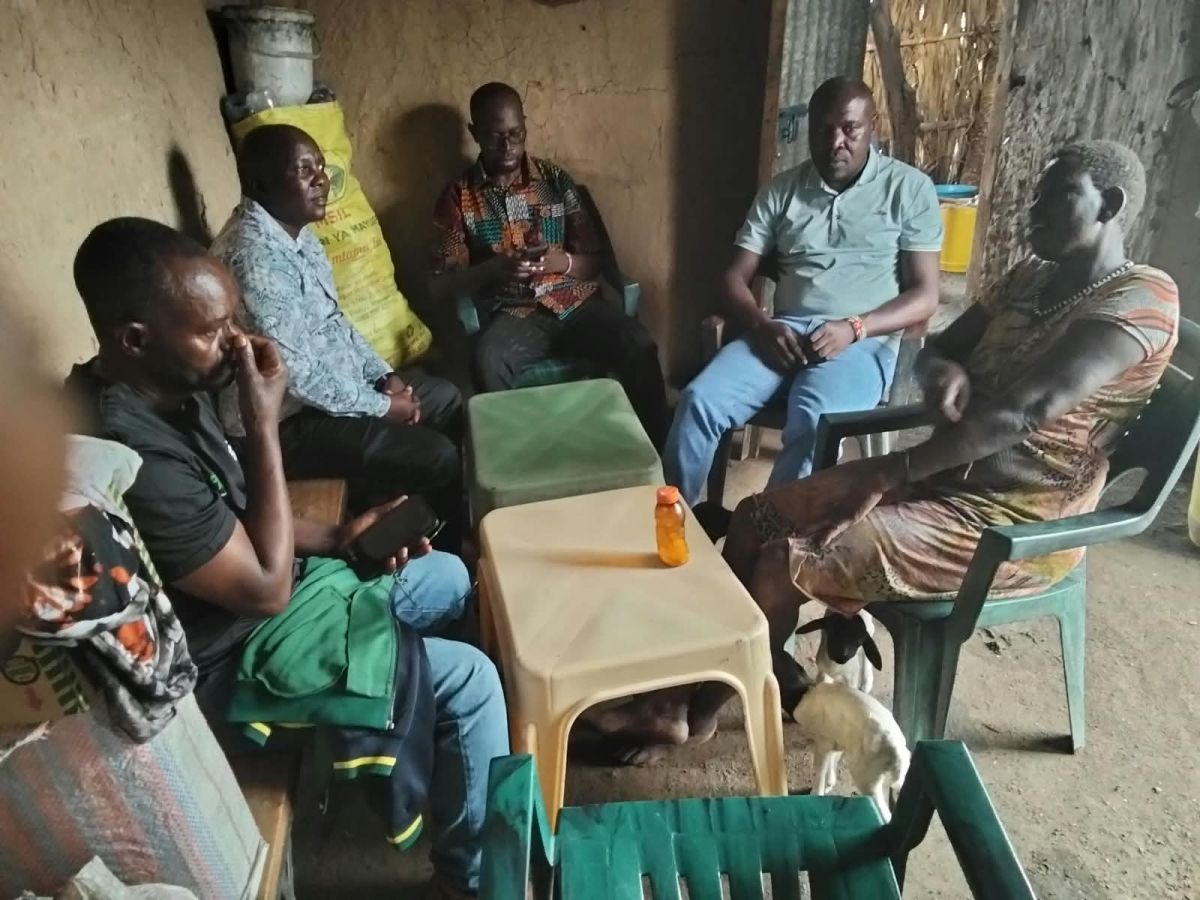
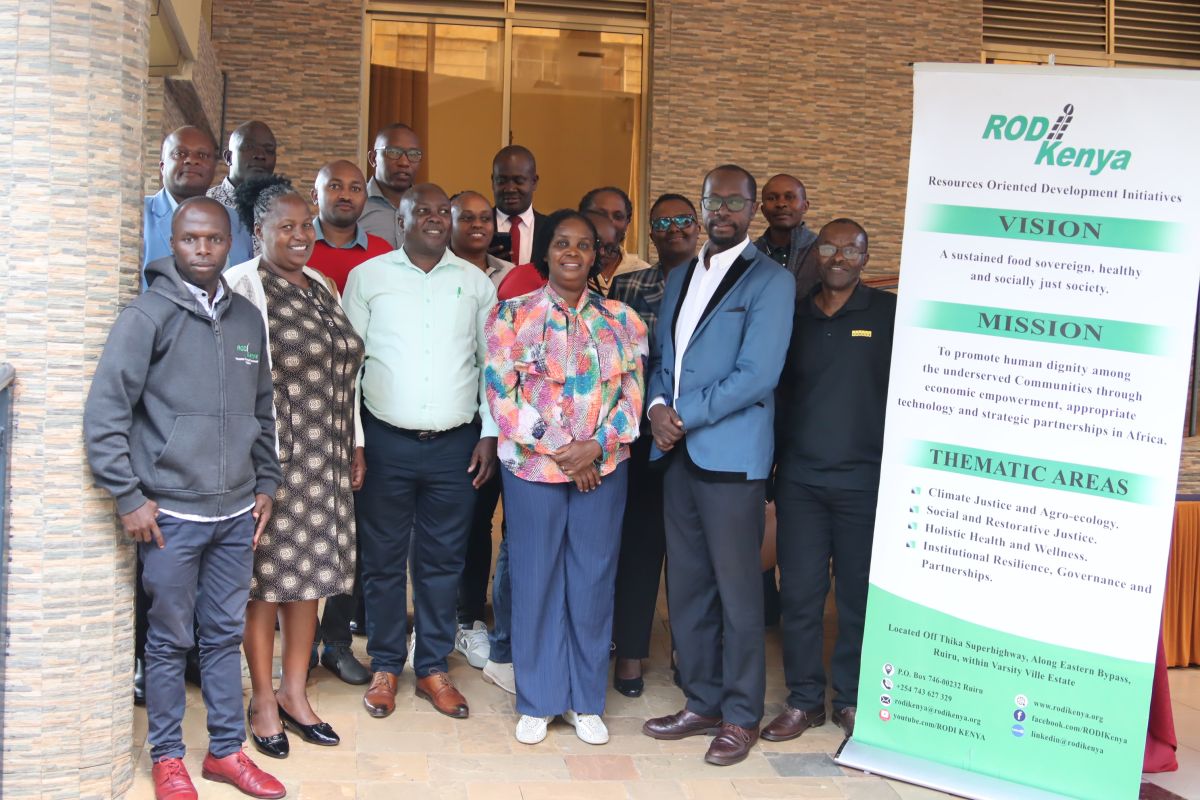
Today, RODI Kenya visited Lodwar Main Prison and Lodwar Women Prison in Turkana County, accompanied by the respective Officers in Charge and prison officers, to engage with inmates, appreciate ongoing rehabilitation initiatives and explore opportunities for strengthening its Prison Rehabilitation, Restorative Justice and Reintegration Programme.
The engagements provided an opportunity to interact with male and female inmates, understand their experiences and discuss how participation in rehabilitation initiatives can contribute to personal transformation, self-reliance and successful reintegration into society.
The visit reinforced RODI's commitment to supporting correctional institutions as spaces for learning, personal development, healing and preparation for life beyond prison.
Turning Rehabilitation into Opportunity
At both institutions, the RODI Kenya team introduced its prison programme and engaged inmates on the importance of actively participating in rehabilitation and empowerment initiatives.
The discussions emphasised that imprisonment should not mark the end of one's aspirations, dignity or contribution to society. Instead, it can provide an opportunity for reflection, learning, acquiring practical skills and preparing for a more productive future.
RODI's approach recognises inmates not merely as individuals serving sentences, but as people with abilities, talents, aspirations and the potential to positively contribute to their families and communities.
By creating opportunities for personal transformation and economic empowerment, rehabilitation becomes a foundation for renewed hope and meaningful reintegration.
Agroecology: Growing Hope and Sustainable Livelihoods
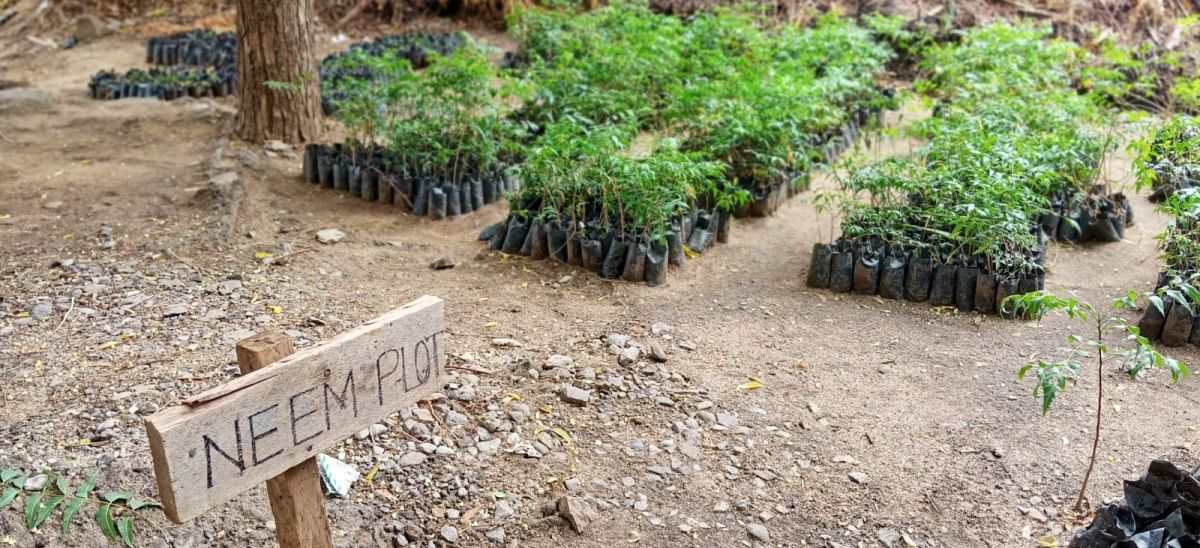
One of the highlights of the visit to Lodwar Main Prison was the prison's agroecology farm and nursery, where the team appreciated ongoing seedling production and the establishment of a neem plantation.
The team also participated in tree-planting activities, demonstrating the importance of environmental stewardship and practical involvement in conservation.
These initiatives extend beyond maintaining a prison farm. They create opportunities for inmates to develop practical skills in seedling production, nursery management, tree establishment, sustainable agriculture, soil management and environmental conservation.
Through agroecology, prison farms can become learning spaces where inmates acquire transferable livelihood skills that can support household food security, climate resilience, entrepreneurship and economic independence after release.
The vision is to make rehabilitation productive, environmentally responsible and connected to livelihood opportunities within the communities to which inmates eventually return.
Lodwar Women Prison: An Inspiring Model of Enterprise and Collective Responsibility
At Lodwar Women Prison, the team witnessed an encouraging initiative demonstrating how skills development and enterprise can support inmate welfare and collective responsibility.
The women have established a small-scale food enterprise where they prepare and sell chapatis and tea, alongside operating a shop serving prison staff and visitors.
What makes this initiative particularly meaningful is how proceeds from the enterprise contribute to a welfare kitty supporting children accompanying their mothers in prison.
The kitty helps meet essential needs, including medication, bedding and other welfare requirements for the children, while also supporting the needs of elderly women in custody.
This initiative illustrates the possibilities that emerge when rehabilitation is connected to practical skills, entrepreneurship and collective responsibility.
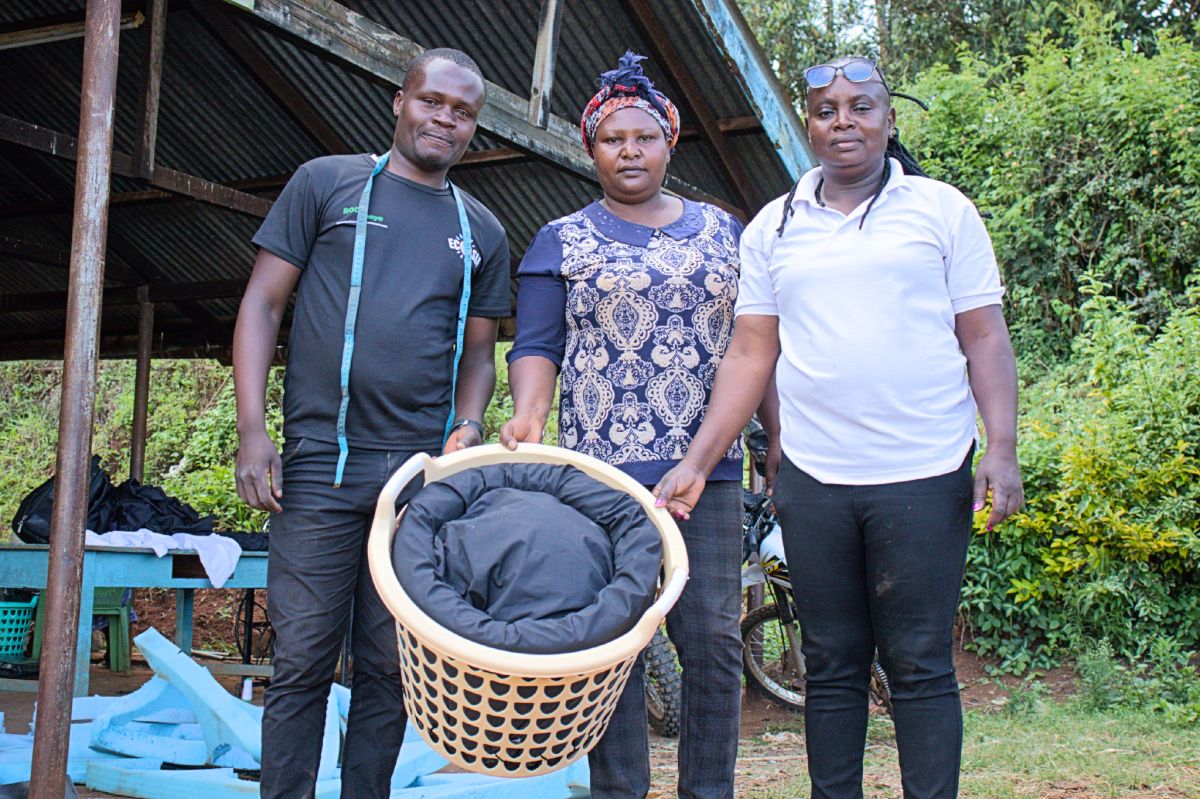
It also presents opportunities for strengthening women's economic empowerment through business management, financial literacy, production, marketing, savings and enterprise development.
Beyond preparing individuals for life after prison, rehabilitation programmes can also respond to immediate welfare needs and promote dignity among vulnerable populations within correctional institutions.
RODI Kenya's Prison Programme: From Custody to Meaningful Reintegration
RODI Kenya's Prison Rehabilitation, Restorative Justice and Reintegration Programme is anchored in the belief that every individual deserves an opportunity for rehabilitation, restoration and a second chance.
The programme seeks to strengthen connections between correctional institutions, inmates, families, communities and reintegration partners.
Its key areas of intervention include:
Skills Development and Economic Empowerment
Equipping inmates with practical and marketable skills in agroecology, agriculture, entrepreneurship, vocational activities and small-business development to improve their prospects of earning a livelihood.
Restorative Justice and Personal Transformation
Promoting accountability, self-reflection, reconciliation, responsibility and positive behavioural change while recognising the harm caused by offending and the importance of restoring relationships.
Food Security and Agroecology
Supporting prison farms, nurseries, tree planting and environmentally sustainable production systems that contribute to institutional food security and equip inmates with transferable agricultural skills.
Mental Health and Psychosocial Wellbeing
Creating opportunities for meaningful engagement, emotional support, positive relationships, personal development and improved wellbeing among inmates.
Family Strengthening and Child Welfare
Recognising the needs of children accompanying their mothers in custody and supporting approaches that protect children's dignity, wellbeing and access to essential services.
Rehabilitation and Community Reintegration
Building pathways that connect inmates with families, community structures, livelihood opportunities, mentors and relevant institutions to support successful reintegration and reduce the risk of reoffending.
Strengthening Partnerships with Correctional Institutions
The engagements in Lodwar also reinforced the importance of working closely with prison leadership and officers in implementing sustainable rehabilitation interventions.
The Officers in Charge and prison teams remain important partners in creating an enabling environment for inmate participation, skills development and institutional transformation.
RODI Kenya's strategy is to strengthen collaboration with correctional institutions, identify existing opportunities, build on successful initiatives and develop interventions that respond to the practical needs of each prison.
This includes strengthening prison-based production, supporting skills transfer, promoting inmate participation, exploring market linkages for products, improving access to livelihood opportunities and building partnerships that can sustain rehabilitation beyond donor-funded project cycles.
Importantly, inmates should be active participants and co-creators of their rehabilitation journeys rather than passive beneficiaries of interventions.
A Second Chance Is an Investment in Society
The engagements at Lodwar Main Prison and Lodwar Women Prison reinforced an important message: people should not be defined permanently by their past mistakes or circumstances.
When individuals are supported to acquire skills, rebuild their confidence, take responsibility and access opportunities, the benefits extend beyond prison walls to families, children and communities.
A rehabilitated individual returning home with practical skills, a renewed sense of purpose and the ability to earn an honest living represents an opportunity for stronger families, safer communities and reduced cycles of reoffending.
For RODI Kenya, the work in Turkana County forms part of a broader commitment to advancing restorative justice, human dignity, social justice, economic empowerment and sustainable livelihoods within correctional institutions.
The ultimate goal is not simply to prepare inmates for release, but to prepare them for a meaningful life after release.
Because rehabilitation is not just about serving time. It is about rebuilding lives, restoring dignity and creating opportunities for a different future.
RODI Kenya – Restoring dignity. Rebuilding lives. Creating opportunities for transformation.