 Ongoing
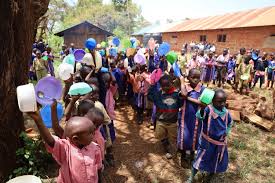
School Feeding program
school feeding
Murang'a County
Implementing impactful interventions across Kenya.
Explore our project locations and see the reach of our work in restoring dignity to prisoners and promoting food security through agroecology.
Ongoing
school feeding
 Ongoing
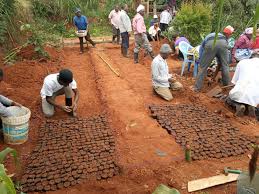
The Food and Income Security for Coffee Farmers Project has been implemented since 2024 with support from BMZ, through the GLS Foundation for Future Development. The project aims to improve food security and household incomes among coffee farmers in Nyeri County by promoting crop diversification, improving access to and management of water resources, introducing agroecological farming practices, and strengthening coffee production, management, and marketing systems. In addition, the project supports youth employment creation by providing start-up capital and entrepreneurship training to enable young people to establish and grow viable businesses.
The project is implemented in close collaboration with the County Government of Nyeri, the Coffee Research Institute, and other key stakeholders in the agroecology sector. Through an integrated approach that combines sustainable agriculture, value chain development, and youth empowerment, the project contributes to improved livelihoods for small-scale coffee farmers and youth by enhancing nutrition, increasing incomes, and creating sustainable employment opportunities in Nyeri County, Kenya.
 Ongoing
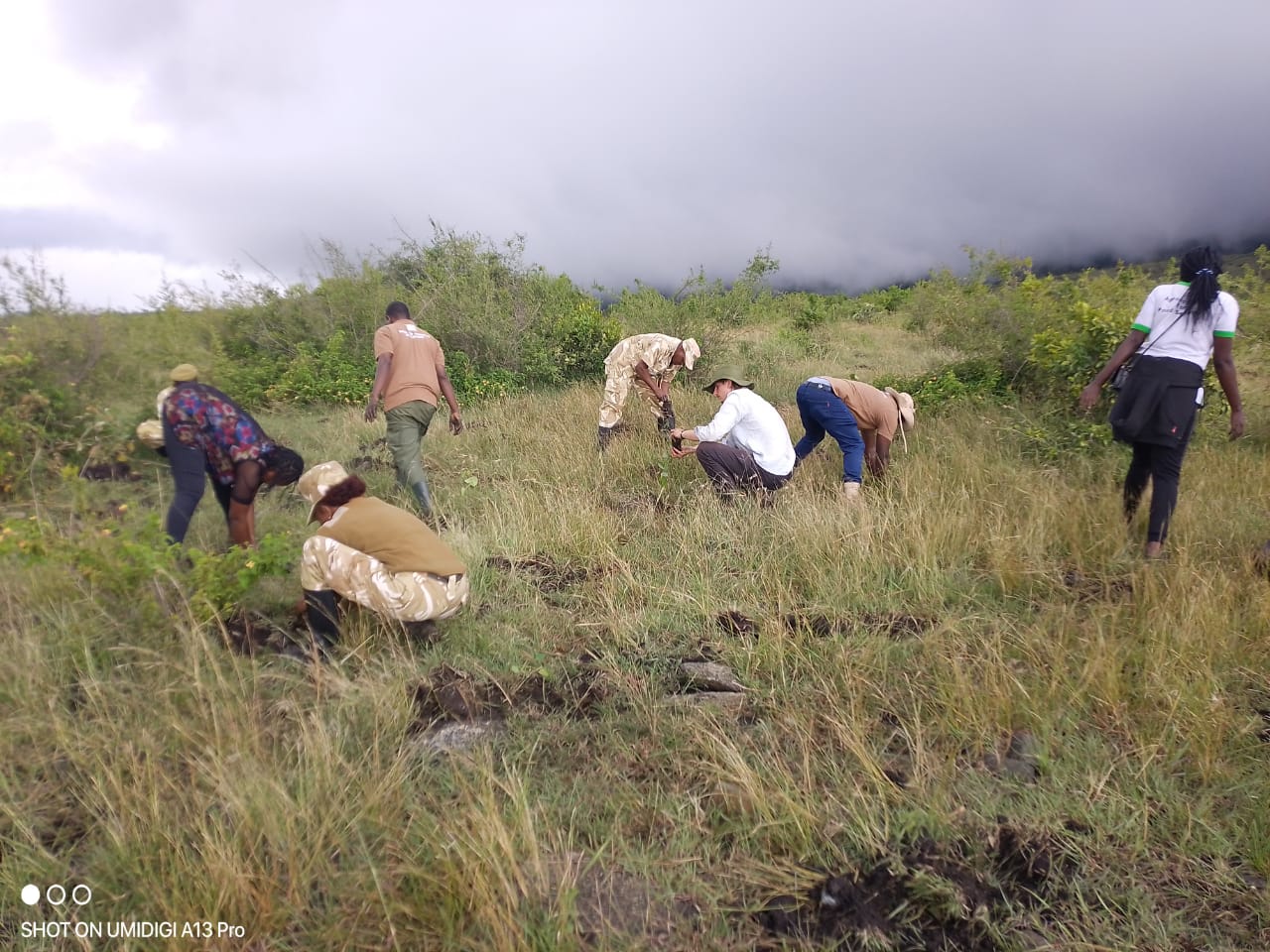
The Reforestation and Agroforestry Initiative has been implemented since 2021 with support from ECOSIA, the search engine that plants trees, through the GLS Foundation for Future Development. The initiative contributes to global and national reforestation efforts by restoring degraded ecosystems, increasing tree cover, and supporting community-led climate change mitigation and adaptation. The project is implemented in five counties in Kenya Kiambu, Nyandarua, Machakos, Nyeri, and Laikipia and focuses on both environmental restoration and sustainable livelihood improvement.
The project is anchored on three core pillars: mass tree planting in public and communal spaces; on-farm agroforestry integrating agroecological practices to improve soil health, food production, and income; and engaging children and youth in environmental stewardship under the theme Trees and Children “ Growing Up Together. The initiative targets planting and nurturing at least 200,000 indigenous trees annually, supported by established tree nursery systems and a three-year monitoring framework to ensure a survival rate above 90%. Since 2021, the project has supported the growth of over 720,000 trees across the five counties, achieving a survival rate of over 90%. Expected outcomes include increased tree cover toward the national 10% tree cover goal, enhanced community skills in nursery and natural resource management, a sustained culture of tree planting among the younger generation, increased food production, and expanded income opportunities through tree-based value chains such as fruit processing, moringa, beekeeping, medicinal herbs, and livestock fodder.
 Completed
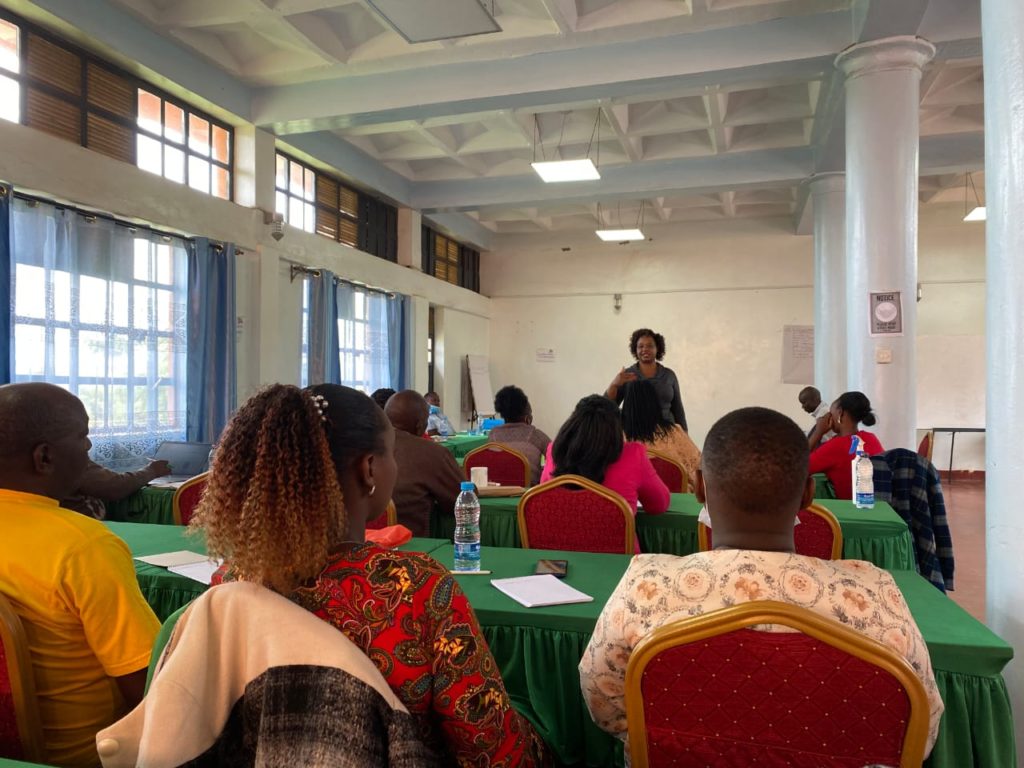
he Community Philanthropy and Local Resource Mobilisation Project was initially implemented in 2018 with technical and financial support from the Open Society Foundation, and from 2022 to date with support from the Global Fund for Community Foundations (GFCF). The project is grounded in lessons learned from RODI human rights resource mobilisation work and recognizes the importance of engaging local communities to design, own, and exercise power in addressing their social and human rights challenges through locally generated resources. Its overall aim is to build a strong constituency of local resource providers for human rights work while strengthening community philanthropy as a sustainable approach to institutional development and community-led social change.
The project focuses on strengthening RODI internal capacity, systems, and institutional culture on community philanthropy and local resource mobilisation, while supporting community-based philanthropy initiatives that promote mindset change, trust, accountability, and collective giving. Through participatory approaches, the initiative supports communities to mobilize resources, implement community development and human rights interventions, and document successful models and best practices for learning and replication. Key outcomes include strengthened communities of practice around community philanthropy, enhanced capacity of community philanthropy ambassadors, increased community engagement in giving for change, successful community-supported development initiatives, and improved organizational systems, documentation, and learning within RODI.
 Ongoing
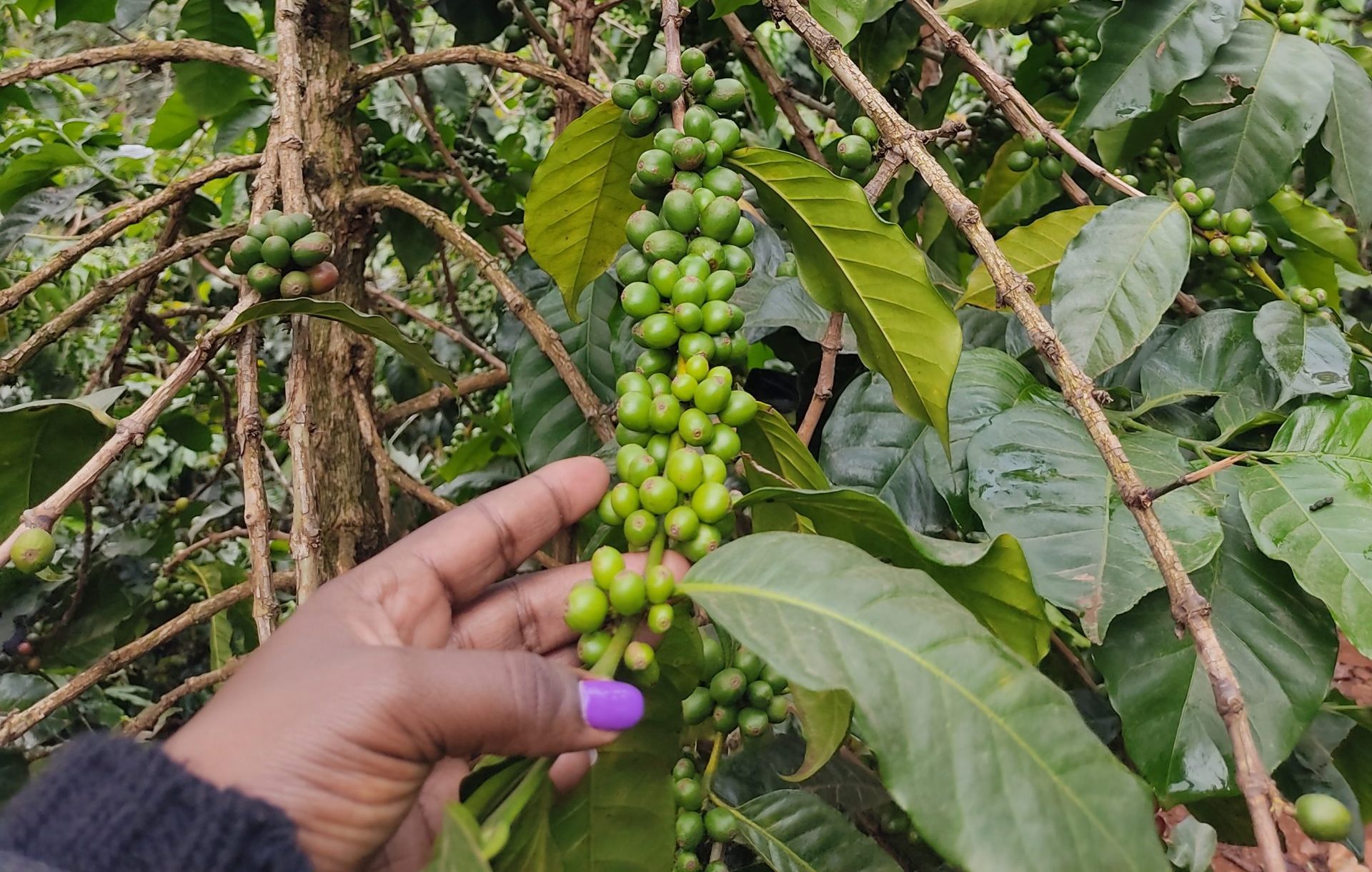
The Agroecology and Livelihoods Improvement Project has been implemented since 2021 with support from the Tudor Trust, through a consortium of four organizations promoting agroecological practices among smallholder farmers in Kiambu, Muranga, and Nyeri Counties. The implementing partners include Resources Oriented Development Initiatives (RODI), Youth Action for Rural Development (YARD), the Organic Agriculture Centre of Kenya (OACK), and the Community Sustainable Development Empowerment Programme (COSDEP). The project focuses on strengthening sustainable agriculture systems while improving livelihoods in coffee-growing communities.
The project aims to enhance livelihoods for 600 smallholder farmers and 100 youth by promoting food security, value addition, cottage industries, and improved market access. Key outcomes include diversified food and income enterprises, enhanced environmental and water catchment conservation, increased income through improved coffee quality and production, expanded youth employment opportunities, and strengthened capacity of farmers and stakeholders to influence coffee sector management. Through agroecology, the project contributes to sustainable farming, economic resilience, and long-term development in Kiambu, Muranga, and Nyeri Counties.
 Ongoing
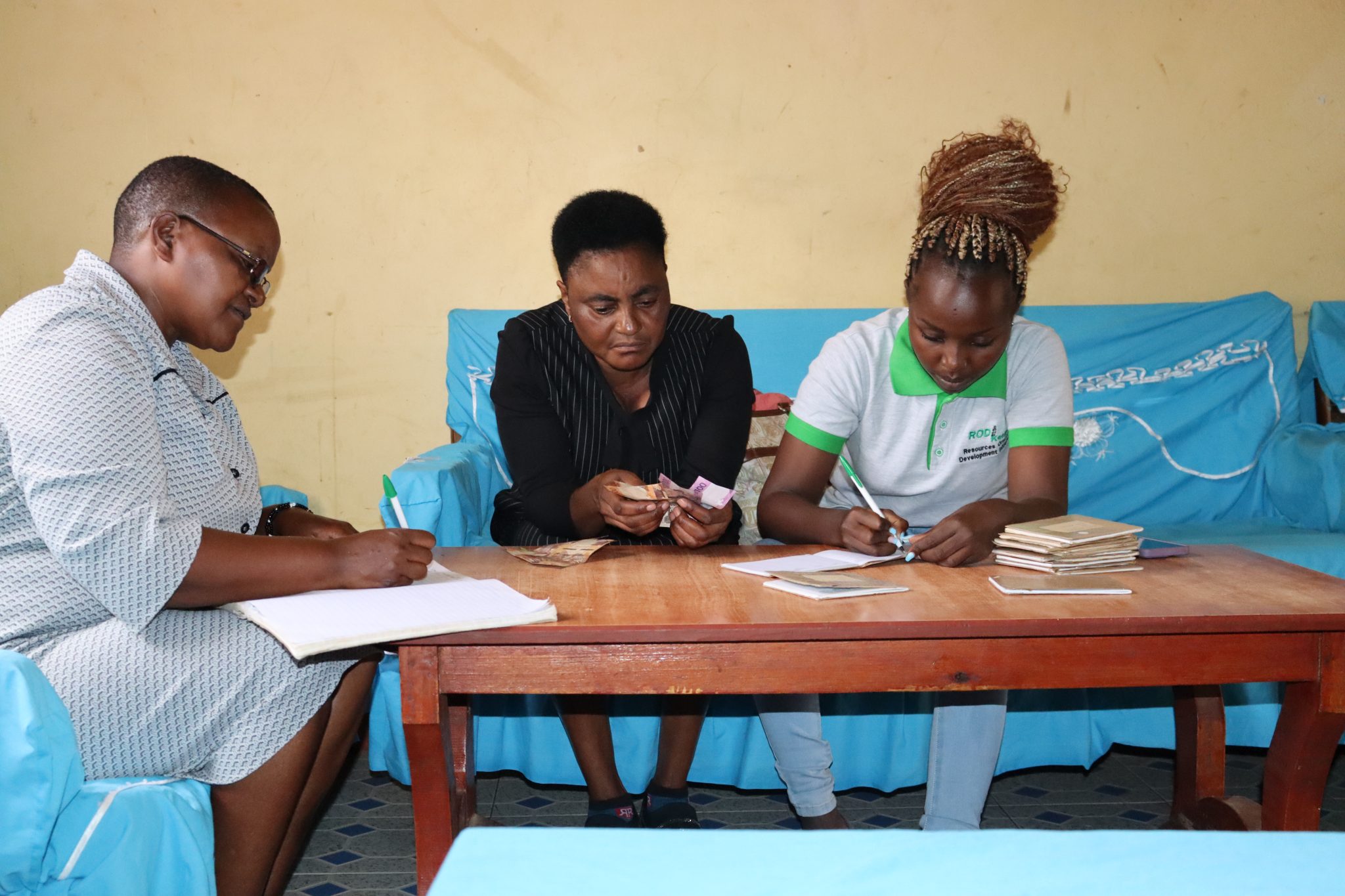
The Group Savings and Loaning (GSL) Table Banking Project has been implemented by Resources Oriented Development Initiatives (RODI) since 2004, with support from community resource mobilization efforts and the GLS Foundation for Future Development. The project aims to strengthen the financial capacity of community members by shifting savings and lending power directly to communities, enabling them to access affordable and inclusive financial services. Table banking is a community-led microfinance model in which members organize themselves into registered groups, mobilize their own resources through regular savings, and provide loans to one another to meet household and enterprise needs.
The project is currently active in Muranga, Nyandarua, and Kiambu Counties, targeting 48 community groups. Since 2006, RODI has supported over 2,000 community members to access loans through the table banking model, resulting in improved savings culture, increased access to credit, and enhanced economic resilience. The initiative has positively impacted farming enterprises, education, housing, income-generating activities, and asset ownership. Looking ahead to 2030, RODI aims to scale up and strengthen the GSL model to reach more groups, with a specific focus on women and youth economic empowerment, contributing meaningfully to the achievement of the United Nations Sustainable Development Goals.
 Completed
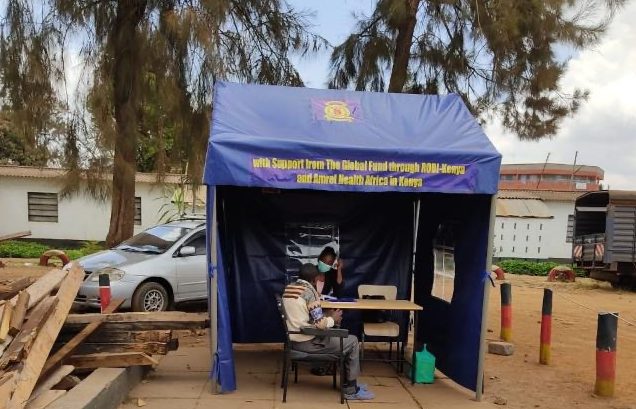
The Kenya Innovation Challenge Tuberculosis (KIC-TB) Project was implemented by Resources Oriented Development Initiatives (RODI) in Nairobi and Kiambu Counties, with financial support from the Global Fund through Amref Health Africa in Kenya, in collaboration with the Ministry of Health and the National Police Service. The project aimed to expand TB screening and case detection among high-risk and underserved populations in congregate settings, including company workers, detainees in police cells, reportees, police officers, and their families. Implementation took place in two phases: Phase I (July 2019 June 2021) in Kiambu County and Phase II (July 2021 June 2024) in both Kiambu and Nairobi Counties.
The goal of the project was to identify missing TB cases and link them to diagnosis, treatment, and care through innovative, community-based strategies that complemented national TB control efforts. These included awareness creation, on-site TB screening, sputum sample collection and transportation, chest X-ray support, strong referral linkages with health facilities, and comprehensive documentation across the TB care cascade. Between July 2019 and June 2024, the project screened 281,884 people, identified 22,909 presumptive TB cases, investigated 17,797 individuals, diagnosed 1,194 TB cases, and successfully initiated 1,087 patients on TB treatment, demonstrating a significant contribution to TB case finding and linkage to care in congregate settings.
 Ongoing
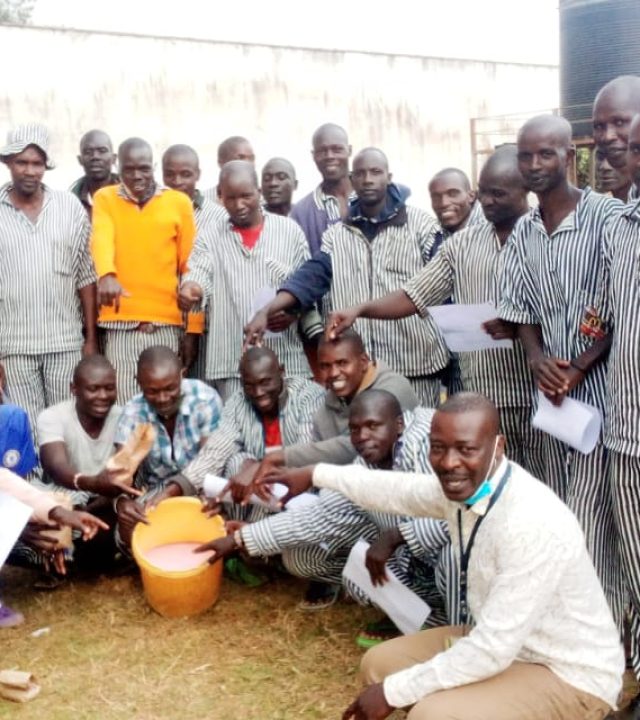
The Access to Justice and Human Rights Initiative is implemented by Resources Oriented Development Initiatives (RODI) with support from the Charles Stewart Mott Foundation, in collaboration with the Legal Resources Foundation (LRF). Since 2011, RODI has been at the forefront of legal aid delivery and the promotion of human rights for indigent and vulnerable persons within the Kenya Criminal Justice System. The initiative focuses on providing legal aid services through legal clinics, awareness sessions, campaigns, and outreach programmes targeting pre-trial detainees in remand centres and surrounding communities. Services include legal advice, legal awareness, alternative dispute resolution, and follow-up with courts, police, probation officers, pro bono lawyers, and other justice actors to ensure case progression, address welfare concerns, and uphold human rights standards.
The initiative aims to enhance access to justice by improving access to legal aid for pre-trial detainees and local communities while engaging national and county duty bearers on policy and legislative reforms. RODI actively advocates for law and policy reforms, including the decriminalization of petty and regulatory offences to reduce unnecessary arrests and detention. As a member of the National Council on the Administration of Justice Committee on Criminal Justice Reform (NCCJR), RODI contributes to comprehensive justice sector reforms and works closely with state and non-state actors to promote fair trial, due process, and human rights. These interventions support Sustainable Development Goal 16 by strengthening inclusive, accountable justice institutions, empowering citizens to claim their rights, and fostering a responsive and coordinated civil society that advances evidence-based advocacy.