Murang’a, Kenya | 5 November 2026
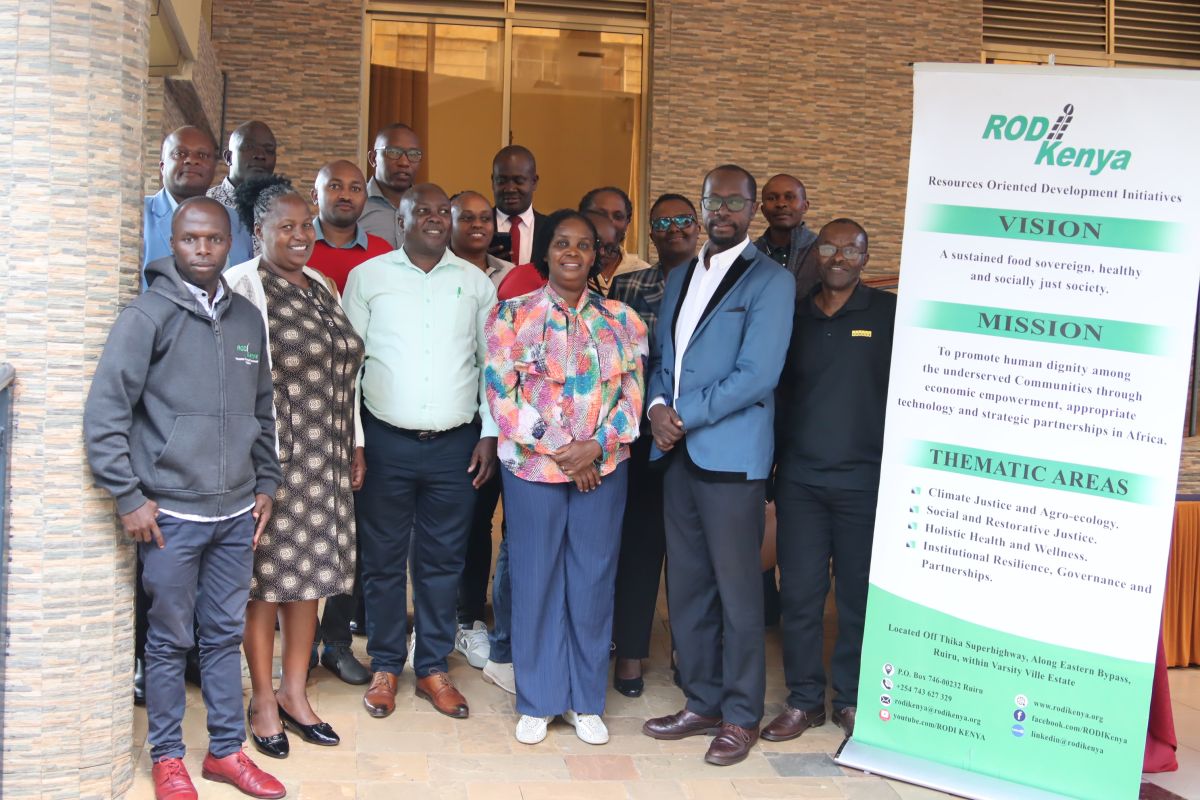
RODI Kenya convened a Central Regional Meeting with Prison Officers in Charge (OICs) at Nokras Riverline Hotel in Murang’a to review the progress, achievements and impact of its prison rehabilitation programme.
The meeting brought together prison representatives from Maranjao Prison, Thika Main Prison, Thika Women Prison, Thika Medium Prison, Nyeri Main Prison, Nyeri Medium Prison and Nyeri Women Prison, alongside RODI Kenya staff and Ms. Anne Gatimu, Regional Commander for Central Region.
The meeting provided an opportunity to share experiences, assess programme outcomes, identify implementation challenges and explore opportunities for strengthening rehabilitation and reintegration initiatives within correctional facilities.
Showcasing Skills Development and Transformation in Prisons
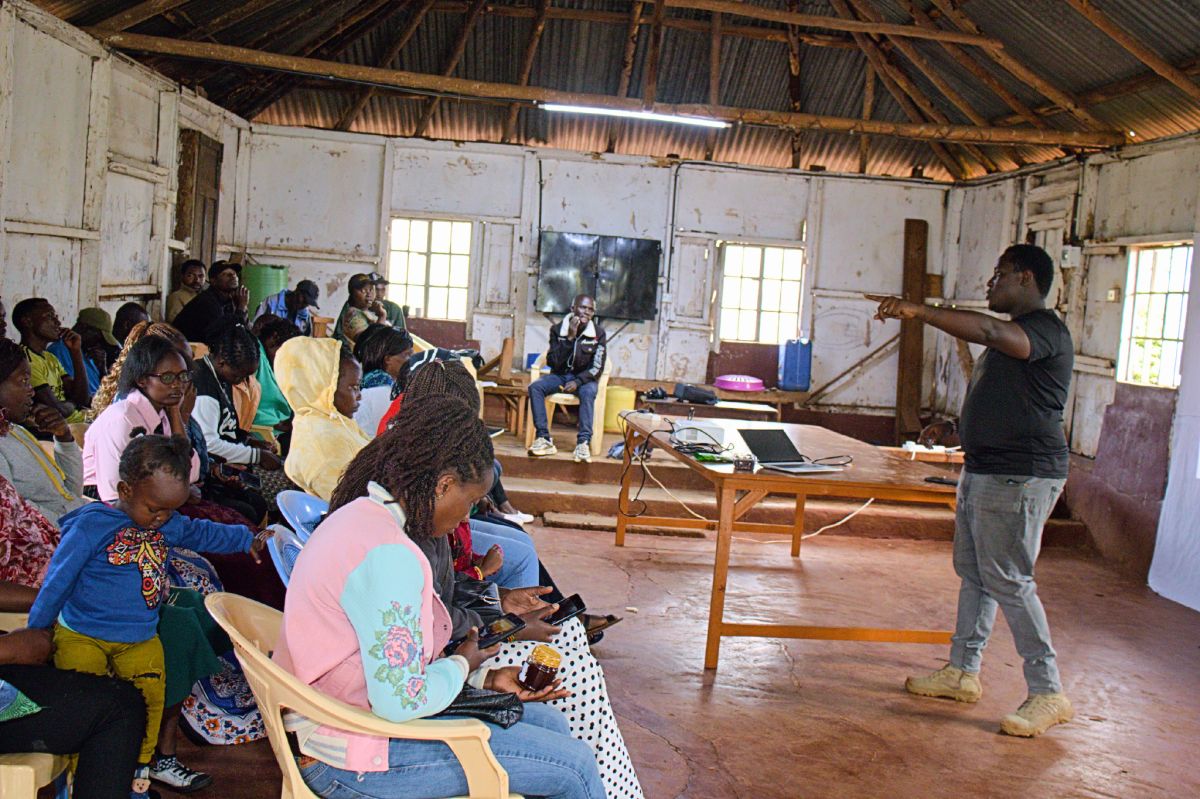
RODI Kenya staff presented the work undertaken across the participating prisons, highlighting the progress made in equipping inmates with practical livelihood skills, promoting value addition, supporting agricultural production and advancing rehabilitation.
The presentations also explored factors influencing the rehabilitation process, including inmates' educational levels, length of sentences, access to water and the continuity of training, particularly where inmates are transferred between correctional facilities.
The programme continues to demonstrate how practical skills development can create opportunities for inmates to become productive, self-reliant and better prepared for life after incarceration.
Prison Officers Share Experiences and Success Stories
The meeting featured testimonies from prison officers who shared firsthand experiences of the programme's contribution to transforming inmates' lives.
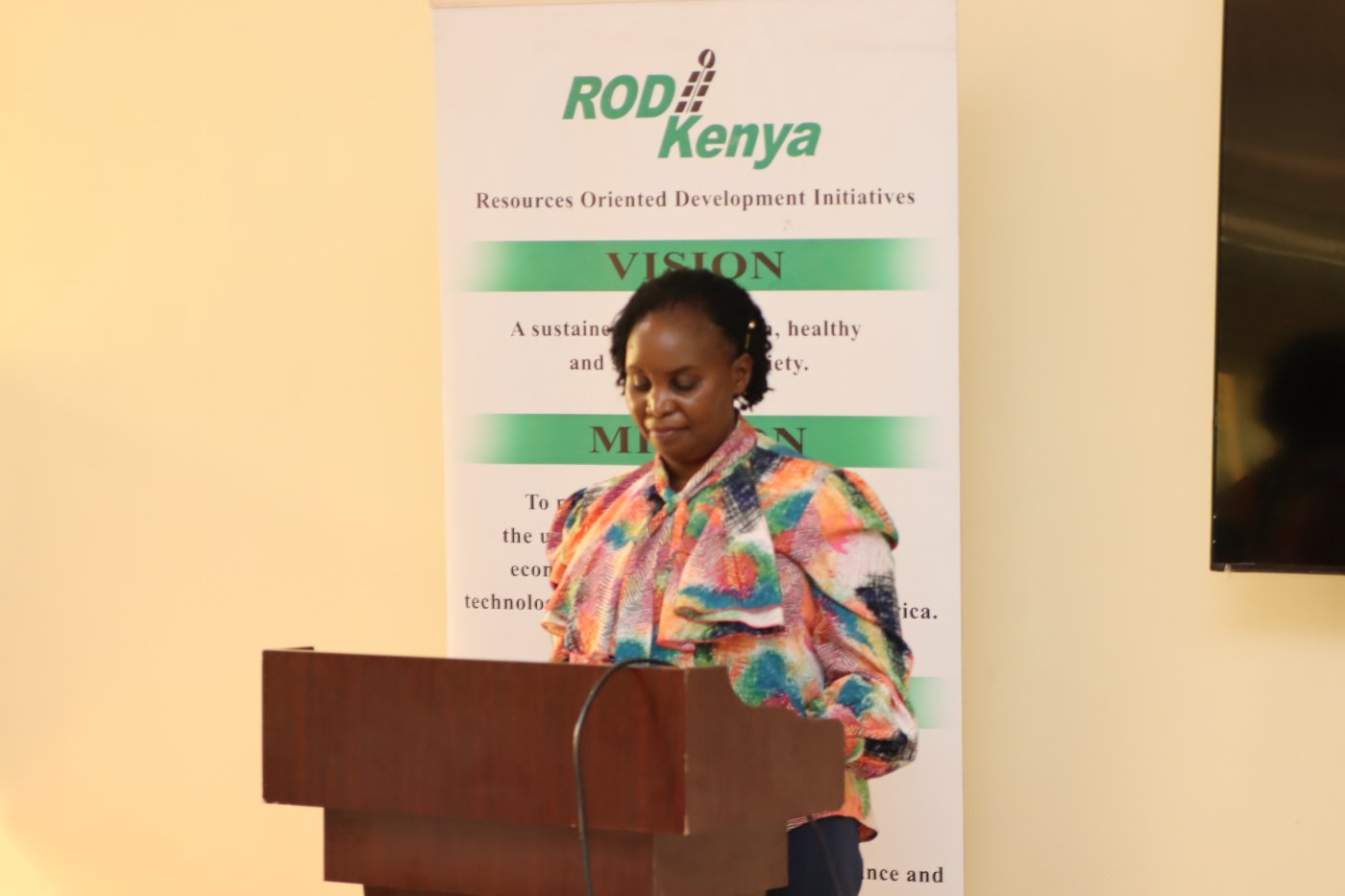
Ms. Anne Gatimu, Regional Commander at regional meeting
Ms. Anne Gatimu, Regional Commander for Central Region, shared her experience with RODI Kenya dating back to 2005, when she served as Officer in Charge at Nyeri Women Prison. During that period, she participated in RODI Kenya's soap-making training, learning to produce both bar and liquid soap.
She explained that the knowledge gained has remained useful throughout her career, enabling her to produce soap independently. During the COVID-19 pandemic, while serving at the training school, she also applied the skills by training others in soap-making and hygiene during the 2020 Training School Week activities.
The Officer in Charge of Thika Main Prison also recognised the programme's contribution to changing inmates' lives through practical skills training. He highlighted inmates' achievements in value addition, including awards received during the Nairobi International Agricultural Show and Correctional Service Week exhibitions. He appreciated RODI Kenya for providing technical support, training and materials that have enabled these achievements.
Representatives from Thika Medium Prison also shared positive experiences from their previous and current stations, appreciating the quality of training and its contribution to inmates' development.
At Ruiru Prison, the Officer in Charge, thanked RODI Kenya for its continued support and proposed the introduction of small-animal farming as an additional area of skills development and livelihood training.
Agricultural Skills and Enterprise Development
Maranjao Prison shared its achievements in agricultural production and value addition, including recognition received at agricultural shows. The Officer in Charge, Dr. Humphrey Young, expressed appreciation for RODI Kenya's programme implementation approach and its contribution to improving inmates' livelihoods.
He highlighted the potential for further growth of prison-based enterprises, including exploring opportunities such as introducing a bakery.
Nyeri Main Prison also provided positive feedback on the programme, particularly its contribution to inmates' rehabilitation and reintegration processes, noting the value of practical training in making skills accessible and easier to learn.
Mr. Kinoti, Farm Manager at Nyeri Medium Prison and a beneficiary of the programme, shared his experience in agricultural production. He demonstrated how the knowledge gained through training has influenced farming practices, including seed selection, compost preparation and the use of indigenous seeds.
He also showcased his farm and discussed ongoing research into maize composite varieties, demonstrating how acquired knowledge can be applied and further developed beyond the training sessions.
Demonstrating the Wider Impact of the Programme
Discussions during the meeting highlighted several positive outcomes associated with RODI Kenya's prison programme:
-
Improved mindsets: Positive changes in attitudes among both inmates and prison officers towards rehabilitation, skills development and productivity.
-
Skills transfer: Officers who have participated in training have continued to replicate and share the knowledge with other inmates.
-
Enterprise development: Inmates have acquired practical skills that support production, value addition and income-generating activities.
-
Successful reintegration: Stories of former inmates, including Chalo from Maranjao Prison, demonstrated the potential for successful transition back into the community.
-
Reduced reoffending: The programme's focus on practical skills, self-reliance and reintegration contributes to efforts to reduce repeat offending.
-
Institutional recognition: Prison-based agricultural and value-addition initiatives have received recognition through agricultural shows and correctional service exhibitions.
The meeting also emphasised the importance of maintaining communication with correctional facilities to follow up on former inmates' progress after release and better understand their reintegration experiences.
Challenges and Opportunities for Improvement
While appreciating the programme's achievements, participants identified areas requiring further attention to improve implementation and sustainability.
These included inadequate access to water in some correctional facilities, which affects agricultural production and other practical activities. Officers also raised concerns about inmate transfers, noting that transferring inmates while they are undergoing training can interrupt the learning process and affect continuity.
The meeting further acknowledged that rehabilitation is an ongoing process and that not all inmates respond to interventions in the same way. Participants therefore emphasised the need for sustained engagement, practical training and stronger reintegration support.
Additional opportunities identified included expanding training into small-animal farming, bakery production and other viable income-generating enterprises within correctional facilities.
Strengthening Partnerships for Sustainable Rehabilitation
The Central Regional Meeting reaffirmed the importance of collaboration between RODI Kenya and correctional institutions in promoting rehabilitation, practical skills development and successful reintegration.
The experiences shared by prison officers demonstrated that the impact of rehabilitation extends beyond the training sessions. Skills acquired by inmates are being applied in production, shared among fellow inmates, recognised through institutional achievements and carried into communities after release.
RODI Kenya appreciates the continued partnership and commitment of prison leadership and officers in advancing opportunities for inmates to rebuild their lives through knowledge, practical skills and productive engagement.
Through skills development, restorative justice and sustainable livelihood opportunities, RODI Kenya remains committed to supporting rehabilitation, restoring dignity and creating pathways for successful reintegration into society.