How rehabilitation, livelihood skills and post-release support are helping a former inmate rebuild her life and provide for her family.
From prison farming to running her own food business. From uncertainty to entrepreneurship. From incarceration to renewed hope.
Susan Asinyen's journey is a powerful testament to the transformative potential of restorative justice when rehabilitation is accompanied by practical livelihood skills, modest financial support and continued community engagement.
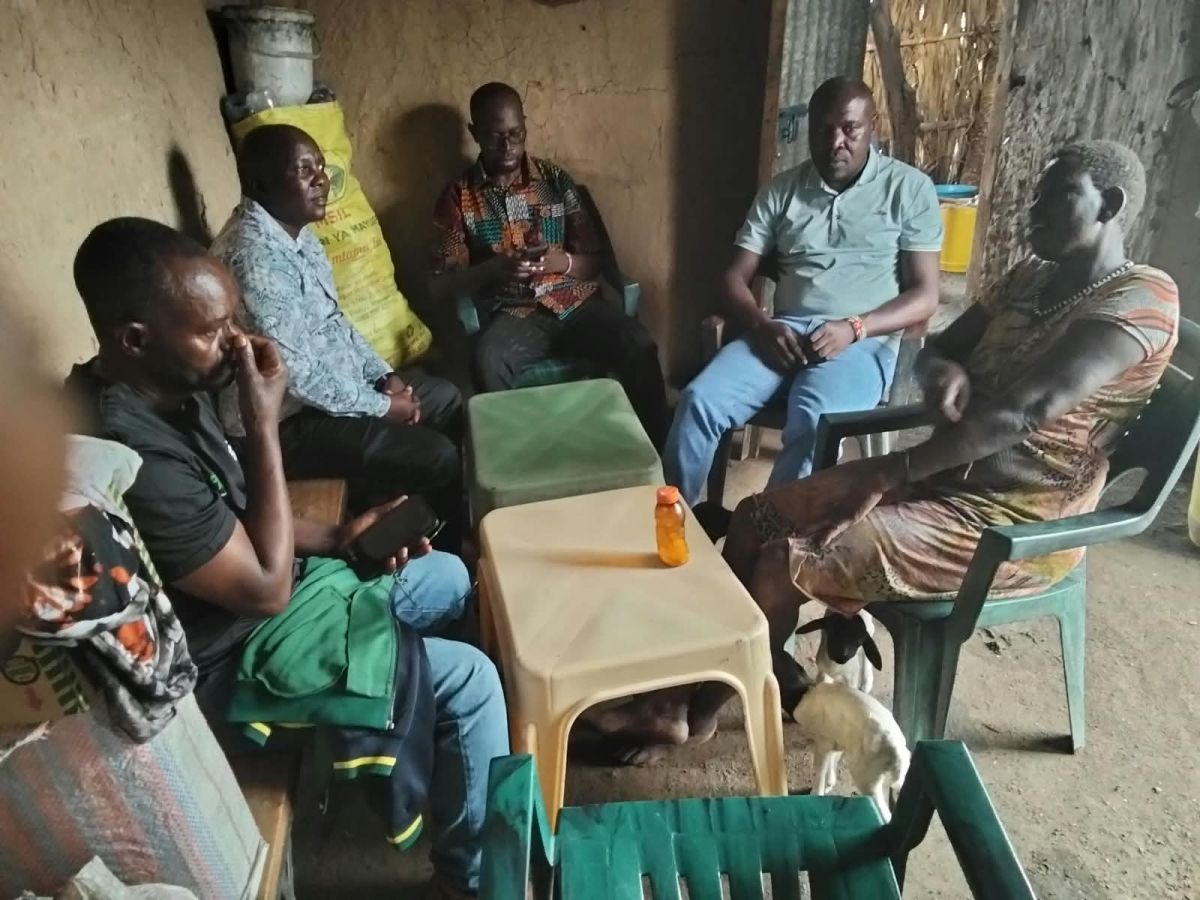
Today, the RODI Kenya team visited Susan at her small food business in Kalokol Market, Turkana County, during a post-release follow-up visit conducted alongside the Lodwar Women's Prison Farm Officer. The visit provided an opportunity to assess her progress, appreciate her achievements and witness firsthand how rehabilitation efforts are translating into meaningful change beyond prison walls.
Finding Purpose Through Rehabilitation
Susan joined Lodwar Women's Prison in 2017, initially on remand, before being convicted in 2023. During her incarceration, she experienced significant personal and family challenges, including separation from her five children. The uncertainty surrounding her future and the emotional burden of imprisonment presented difficult moments in her life.
However, rehabilitation opportunities supported by RODI Kenya gradually opened a new path.
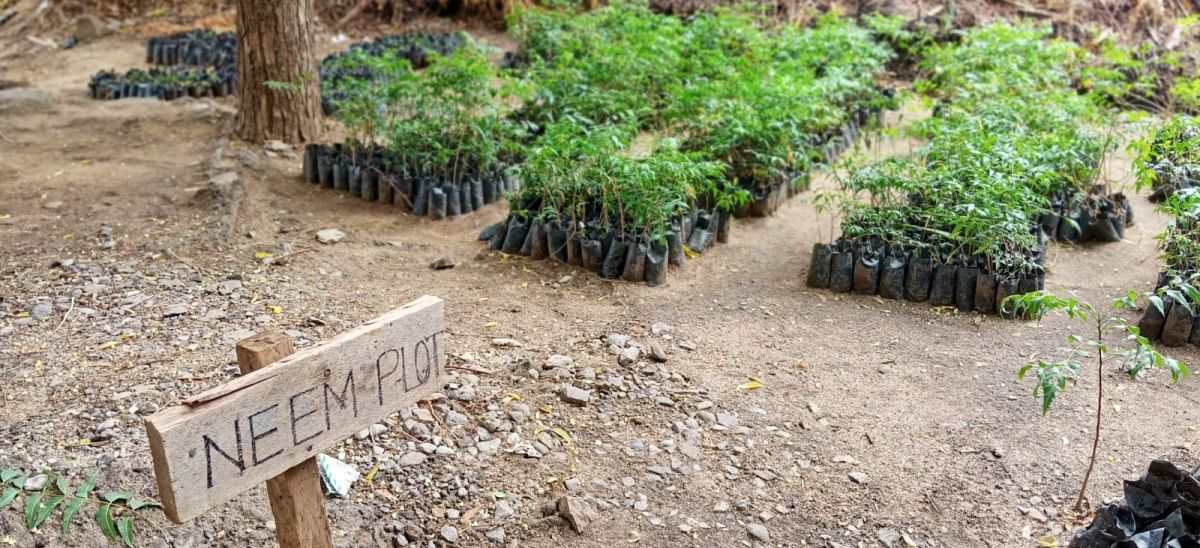
Susan became actively involved in prison farming and agroecology, eventually taking responsibility for the prison shamba. Through this experience, she developed practical agricultural skills, discipline and a strong sense of responsibility.
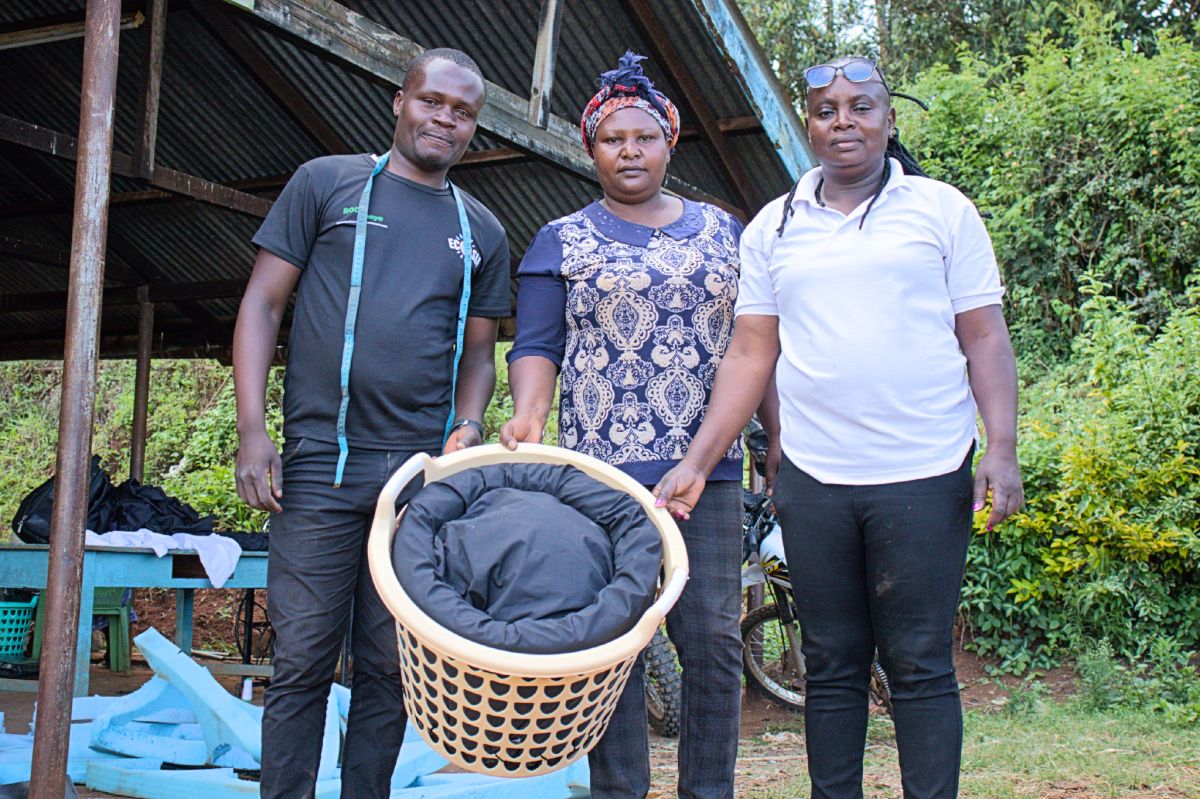
She also participated in livelihood skills training in chapati and cake making, samosa preparation, tailoring, juice and soup preparation. Her commitment, leadership and positive engagement saw her rise to the position of trustee among fellow female inmates.
These opportunities helped her develop confidence, practical skills and a renewed outlook on life. She also shifted her livelihood choices away from her previous involvement in brewing and selling busaa and chang'aa towards productive and legitimate enterprise.
Rebuilding Life After Release
Upon her release in 2025, Susan returned to the community determined to rebuild her life and provide for her five children.
With support from her church and a KES 4,500 seed capital boost from RODI Kenya in September 2025, she established a small food business at Kalokol Market.
Her business offers ugali and fish, githeri and Ethiopian chapatis, providing her with an opportunity to earn an income while supporting her family.
The modest start-up support provided a foundation upon which Susan could build. Through determination, careful management and reinvestment of her earnings, she has steadily improved her business.
A Business Growing Through Determination
During today's follow-up visit, the team witnessed encouraging progress.
Susan has reinvested her earnings in improving her business premises. She has acquired an inverter and, with support from her daughter, a solar-powered freezer to improve her operations.
She has also developed a disciplined approach to managing her daily earnings. From her chapati sales, she saves approximately KES 1,000 towards the following day's business operations, demonstrating a growing commitment to financial management and business sustainability.
Her progress reflects more than the growth of a small food business. It represents the rebuilding of confidence, independence and a renewed determination to create a better future for her family.
Beyond Prison Walls: The Importance of Reintegration
Susan's experience highlights an important lesson: prison rehabilitation must go beyond training individuals while incarcerated.
For rehabilitation to produce lasting results, former inmates need opportunities to apply their skills, access livelihood support, rebuild family relationships and reconnect with their communities.
Post-release follow-up is equally important. It allows rehabilitation programmes to assess progress, identify emerging challenges and provide encouragement as individuals navigate the realities of life after incarceration.
Susan's journey demonstrates how a combination of practical skills, modest start-up support, community acceptance and continued engagement can create meaningful opportunities for reintegration.
Restorative Justice That Transforms Lives
At RODI Kenya, the Restorative Justice, Rehabilitation and Reintegration Programme seeks to create pathways for individuals affected by incarceration to rebuild their lives with dignity and purpose.
Susan's story reflects the change we seek to create: a future where people are not permanently defined by their past, but supported to become productive members of their families and communities.
From taking responsibility for a prison farm to running a food business in Kalokol Market, Susan has demonstrated resilience, determination and the power of opportunity.
Today, she stands as a mother rebuilding her family's future, an entrepreneur growing her livelihood and a woman embracing renewed hope.
Her journey reminds us that meaningful rehabilitation does not end at release. It begins a new chapter of possibility.
At RODI Kenya, we believe that when people are given the skills, support and opportunity to rebuild, restorative justice becomes more than a programme. It becomes a pathway to transformation.
Susan's story is a reminder that every person deserves an opportunity to start again.