
Healthy soils are the foundation of productive farms, resilient communities, and sustainable food systems. Through the Farmer Research Network, farmers in Bungoma and Uasin Gishu Counties have demonstrated that practical, farmer-led research can generate solutions that improve agricultural productivity while reducing production costs and protecting the environment.
Facilitated by RODI Kenya, the initiative empowered farmers to become researchers on their own farms. Rather than relying solely on recommendations from outside, farmers established demonstration plots, compared different soil management practices, collected data throughout the growing season, and shared their observations with fellow farmers and agricultural extension officers.
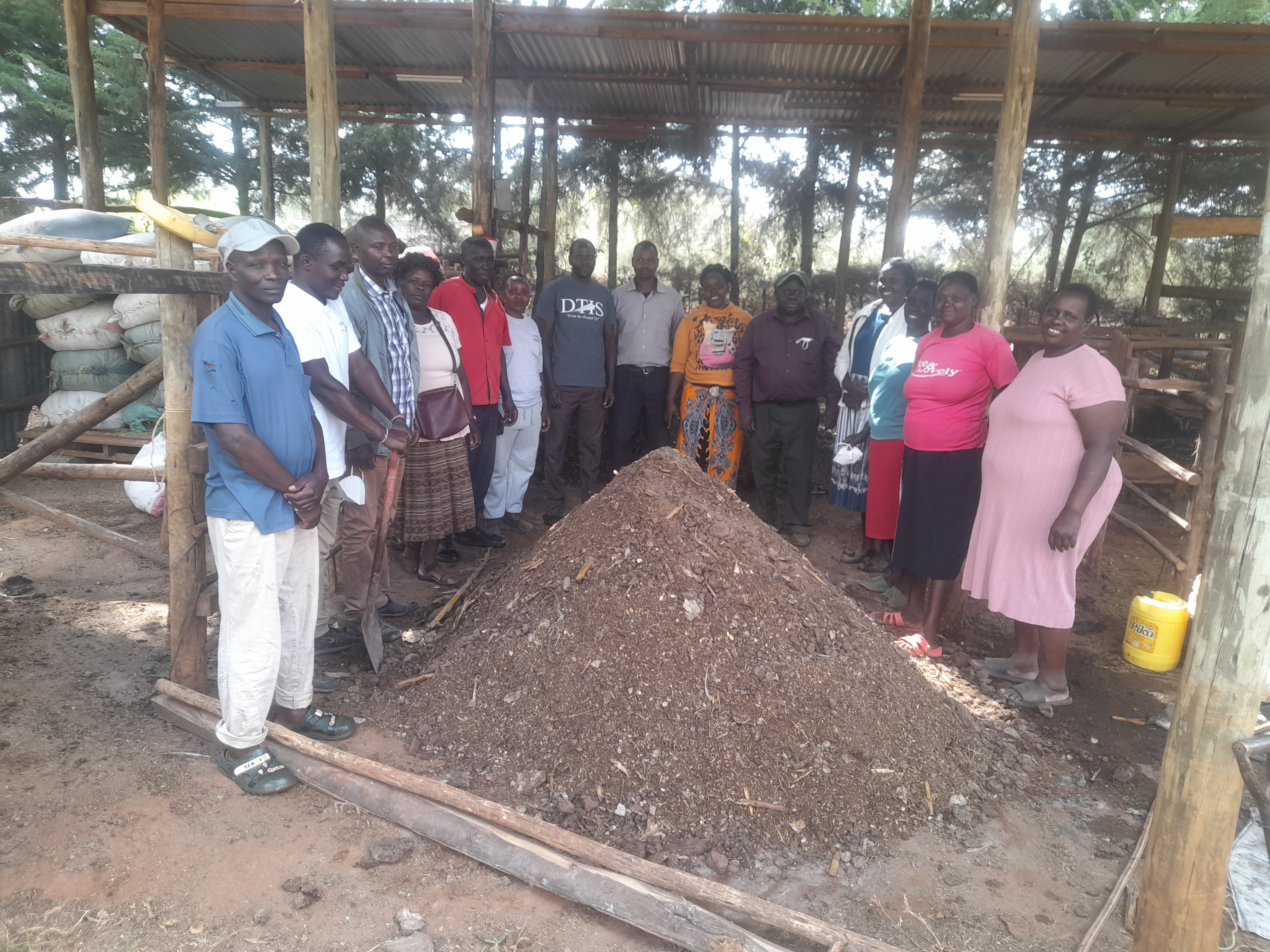 FNR farmers making bokashi in Uasin Gishu
Addressing Real Farming Challenges
The research was driven by challenges that farmers experience every season. Declining soil fertility, increasing fertilizer prices, unpredictable rainfall, poor crop performance, and rising poultry feed costs have made farming more difficult for many households. These challenges motivated farmers to explore practical agroecological alternatives that could improve productivity while reducing dependence on costly external inputs.
Testing Practical Agroecological Solutions
Farmers established four trial plots using different soil management practices: Bokashi, Boma compost, conventional fertilizer (DAP + CAN), and a control plot. Throughout the season they monitored seed germination, plant growth, leaf colour, soil moisture retention, and final yields. By using the same measurements across all plots, farmers were able to compare the performance of each treatment under similar field conditions.
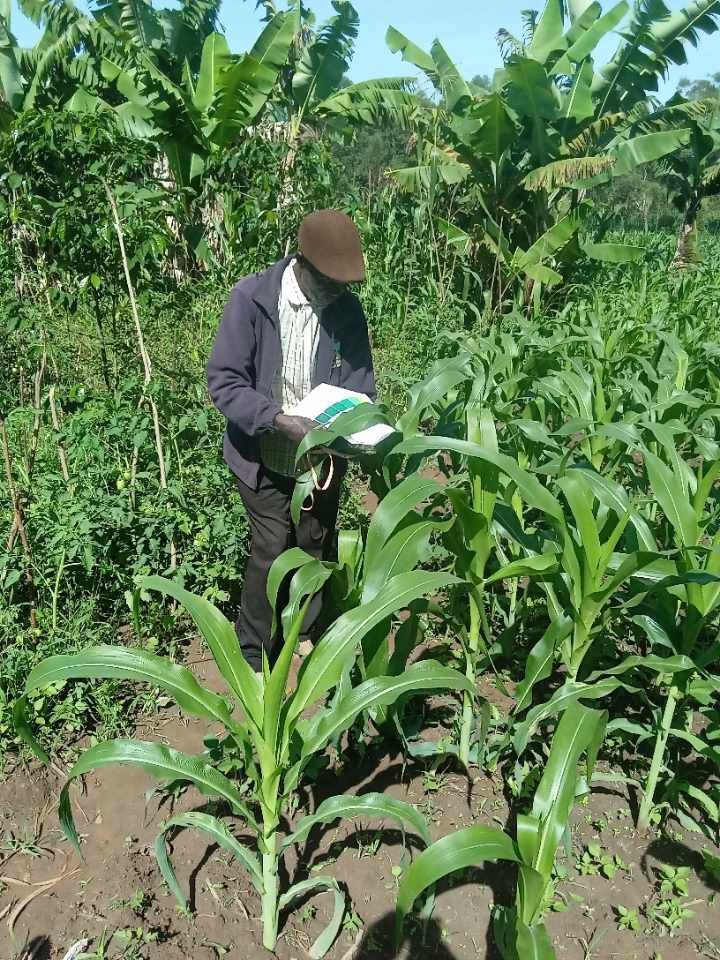
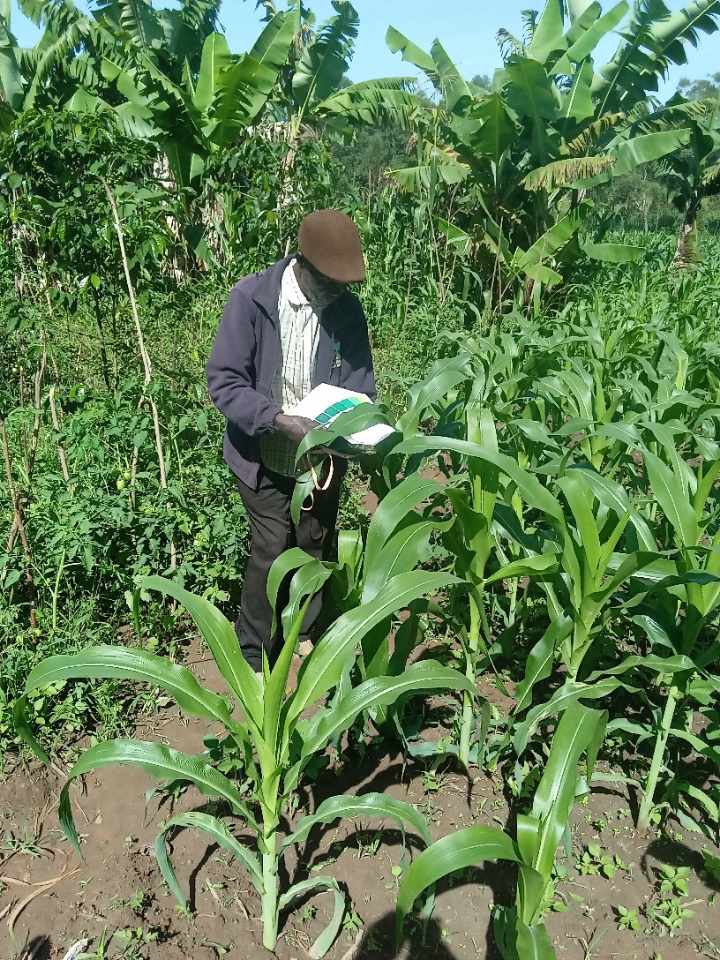 FNR farmer doing colour test to maize plants
What the Farmers Discovered
The findings demonstrated that organic soil management practices offer significant benefits. Farmers observed better seed germination in plots treated with Bokashi and compost, healthier crop development, and improved soil moisture retention during dry periods. While conventional fertilizers encouraged faster early growth, the organic treatments maintained healthier soils and supported more resilient crop performance throughout the season.
The research also showed encouraging harvest results. In both Bungoma and Uasin Gishu, Bokashi treated plots recorded the highest average maize yields, followed closely by Boma compost treatments. These findings demonstrate that improving soil health can contribute to higher productivity while reducing dependence on expensive synthetic fertilizers.
Improving Poultry Production Through Fermented Feeds
In addition to crop research, participating farmers explored the preparation and use of fermented poultry feeds made from locally available ingredients. Farmers reported lower feed costs, healthier birds, improved growth, consistent egg production, and fewer disease cases. The innovation has provided an affordable way for farmers to improve poultry production while reducing reliance on commercial feeds.
Farmers as Innovators
One of the most important outcomes of this initiative is the confidence it has built among farmers. By leading the research process themselves, they generated practical evidence, strengthened local knowledge, and became champions of agroecological practices within their communities. Their experiences demonstrate that farmers are not only producers of food they are innovators capable of developing solutions that respond to local challenges.
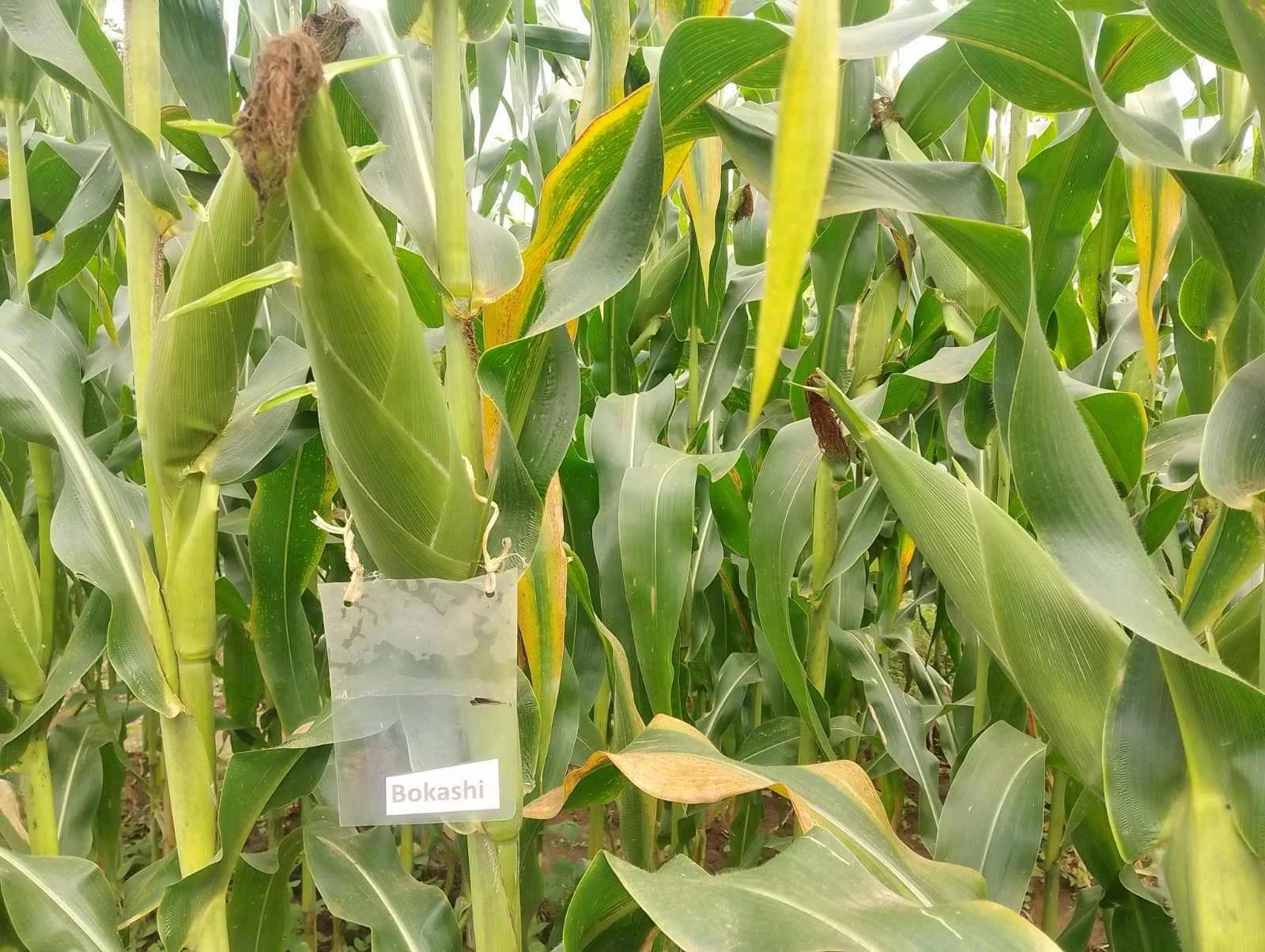 Maize planted using bokashi only
Looking Ahead
RODI Kenya remains committed to supporting farmer-led innovation, strengthening agroecological practices, and promoting sustainable farming systems that improve livelihoods while protecting natural resources. As more farmers adopt these practices, the lessons from Bungoma and Uasin Gishu will continue to contribute to healthier soils, improved food security, and more resilient farming communities across Kenya.
Together, we can build a future where healthy soils support healthy crops, prosperous farmers, and thriving communities.