
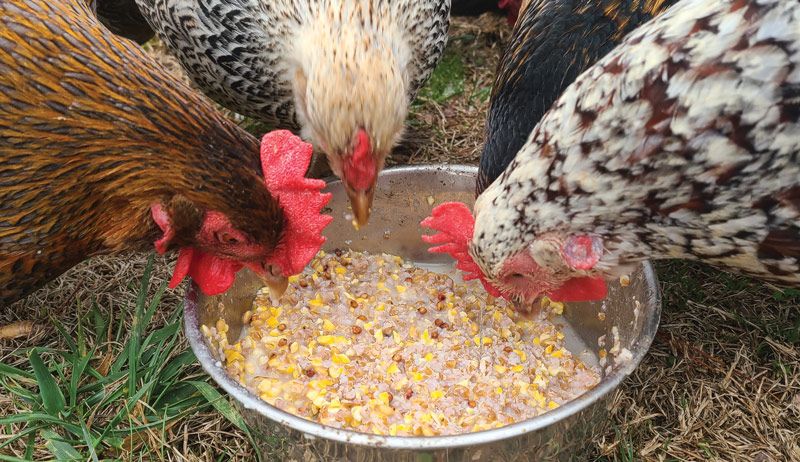
Fermenting chicken feed is one of the simplest, most cost-effective techniques for backyard chicken keepers and small-scale poultry farmers. By soaking regular feed in water and allowing beneficial microbes (primarily lactic acid bacteria) to develop, you create a probiotic-rich, easier-to-digest meal that can transform your flock's health and performance.
This process mirrors making sourdough or sauerkraut it's low-tech, requires minimal equipment, and delivers impressive results when done right. Done poorly, however, it risks spoilage or digestive upset, so attention to detail is key.
In this complete guide, you'll learn the science-backed benefits, a foolproof step-by-step method, feeding strategies by age and type of bird, troubleshooting tips, and long-term management advice to make fermentation a sustainable part of your routine.
Why You Should Start Fermenting Chicken Feed
Fermented feed isn't just a trendy homestead hack it's supported by poultry research showing real improvements in nutrition, immunity, and efficiency.
Key Benefits
-
Improved Nutrition & Immunity: Fermentation introduces natural probiotics that support gut health, crowd out harmful bacteria (like E. coli and Salmonella), and create a more acidic environment in the digestive tract that acts as a natural barrier against pathogens. It can also boost B vitamins and make minerals more bioavailable by breaking down anti-nutritional factors like phytic acid.
-
Better Digestion and Nutrient Absorption: Soaking softens pellets, crumbles, and grains, making them easier for chickens to break down. This leads to higher nutrient uptake and less undigested material passing through.
-
Increased Egg Production and Quality: Layers on fermented feed often produce more eggs, with heavier weights and thicker, stronger shells. Studies have shown improvements in egg quality metrics like albumen height and Haugh units.
-
Healthier Appearance and Vitality: Expect shinier feathers, brighter combs, and overall better condition as gut health improves.
-
Reduced Feed Waste, Costs, and Odor: Fermented feed expands in volume, so birds feel fuller on less dry matter potentially reducing overall feed consumption. Droppings become less smelly and more manageable, and the higher moisture content helps with hydration (especially useful for layers producing eggs).
Additional perks include better feed conversion ratios in broilers and potential support for immune function during stress periods like molting or winter.
The Science Behind Fermented Feed
During fermentation, lactic acid bacteria convert sugars in the feed into lactic acid, lowering pH and creating an environment where beneficial microbes thrive. This "predigests" the feed, reduces anti-nutritional compounds, and increases the availability of proteins and other nutrients. Research on broilers and layers confirms benefits like improved weight gain, better intestinal morphology (longer villi for absorption), and enhanced microbial balance in the gut.
Simple Step-by-Step Fermentation Method
You don't need fancy equipment. This anaerobic (low-oxygen) process is straightforward.
Materials Needed
-
Clean food-grade bucket or large jar (plastic, glass, or stoneware avoid reactive metals)
-
Loose-fitting lid, plate, or towel (to allow gas escape while keeping out contaminants and insects)
-
Clean, non-chlorinated water (let tap water sit out 24 hours or use filtered/well water—chlorine kills good bacteria)
-
Your regular chicken feed (whole grains preferred)
-
Stirring stick or spoon
-
Feeding tray or bowl
Step-by-Step Instructions
-
Prepare the Feed Fill your bucket about halfway with dry feed (leave room for expansion and stirring). Add non-chlorinated water until it covers the feed by 1–2 inches (some keepers recommend 2+ inches for safety). Stir well to ensure everything is submerged.
-
Optional Starter For faster, more reliable fermentation, add 10% of a previous successful batch or a bit of whey/plain yogurt as a culture.
-
Cover and Ferment Cover loosely. Store in a cool, dark place (ideally 60–75°F / 15–24°C). Stir once or twice daily to redistribute and check submersion. In warmer conditions, fermentation speeds up; in cooler weather, it may take longer.
-
Check Readiness (Usually 2–3 Days) Your feed is ready when it smells pleasantly sour, tangy, or slightly fruity/yeasty (not rotten or foul) and you see small bubbles when stirring. The mixture may taste mildly acidic.
-
Feed Your Chickens Scoop out the daily portion, allow excess liquid to drain back into the bucket, and serve in a feeding tray. Chickens often love the taste once accustomed.
-
Maintain the Continuous System Each day (or as needed), remove what you'll feed, then add fresh dry feed and water to keep the bucket going. This "backslopping" method keeps the beneficial microbes active like a sourdough starter.
Pro Tip: Whole grains (oats, barley, sunflower seeds, etc.) ferment best they hold structure, release more nutrients, and are less likely to turn into a sloppy mash than pellets or crumbles. Pellets and crumbles work fine but may become porridge-like.
Feeding Strategy by Chicken Age and Type
Introduce fermented feed gradually to avoid digestive upset or production drops. Always provide access to grit and fresh water.
Day-Old Chicks and Young Birds
-
Do not rely on it fully chicks need consistent nutrition.
-
Start slowly: Offer 20% fermented feed mixed with dry starter, about twice a week.
-
Many keepers report it's safe once birds are eating well, but monitor closely.
Broilers (Meat Birds)
-
Excellent results reported.
-
Begin around 2 weeks of age.
-
Gradually increase to 50–80% of the diet. Fermentation can improve feed efficiency and weight gain.
Layers (Laying Hens) – Important Warning
-
Avoid abrupt changes: Sudden introduction can temporarily reduce egg production (reports of 70–80% drops in extreme cases due to gut adjustment).
-
Best practice: Introduce during the grower/pullet stage (before lay) or very gradually (start with 10–20% and increase over 1–2 weeks).
-
Once adapted, fermented feed supports better egg quality and sustained production, including during winter or molt.
Monitor your flock for a few days after changes. Some birds take time to accept the new texture and smell.
Troubleshooting Common Issues
Fermentation is forgiving but requires vigilance.
Kahm Yeast (Safe, Common)
-
Appearance: Thin white, wrinkly film or scum on the surface, often with trapped bubbles.
-
Smell: May be stronger or off-putting but not rotten.
-
Action: Harmless skim it off or stir it back in. It often appears in warmer conditions or if feed isn't fully submerged. Keeping the bucket cooler helps prevent it.
Mold (Dangerous Discard Immediately)
-
Appearance: Fuzzy, hairy, or colored growth (green, black, blue, pink, etc.).
-
Smell: Musty, rotten, or unpleasant.
-
Action: Throw away the entire batch. Do not feed. Mold spores can penetrate the liquid, so it's not safe to salvage.
Other Issues
-
No bubbles or sour smell after 3–4 days: Too cold, chlorinated water, or insufficient stirring. Move to a warmer spot or add a starter.
-
Too sour or alcoholic smell: Over-fermented (rarely a problem for chickens, but refresh the batch more often).
-
Feed drying out: Always maintain water level above the solids.
-
Bugs or debris: Use a tighter cover or ferment indoors.
Prevention Tips:
-
Keep feed fully submerged at all times.
-
Store in a cool, shaded area (not in direct sun or extreme heat).
-
Clean the bucket thoroughly every 1–2 weeks (or when starting fresh).
-
Use clean equipment and non-chlorinated water.
Advanced Tips for Success
-
Scale It Up: For larger flocks, use multiple buckets or a dedicated fermenting station. Some use a "three-bucket rotation" system.
-
Seasonal Adjustments: In hot climates, ferment faster and refresh more often. In cold weather, it may take 4+ days insulate if needed.
-
Custom Mixes: Add seeds or herbs for extra nutrition, but keep it simple at first.
-
Cost Savings: Many report 20–50% less dry feed needed due to better utilization and reduced waste.
-
Safety Note: Fermented feed does not cause sour crop when managed properly. Always prioritize fresh, clean water alongside it.
Final Thoughts
Fermenting chicken feed is an easy win for sustainable poultry keeping. It can lower your feeding costs, strengthen your flock's natural defenses, improve egg and meat quality, and make your operation more efficient and enjoyable.
Start small with one bucket and observe your birds they'll often show you the benefits through better health and enthusiasm at feeding time. With consistent management and attention to hygiene, this simple technique can elevate your backyard or small-farm poultry system.
Have you tried fermenting feed yet? Share your experiences, successes, or challenges in the comments. For more poultry tips, explore related guides on natural health boosters or homemade feeds.